Trump Warns Oman as Iran Tensions Escalate Over Strait of Hormuz
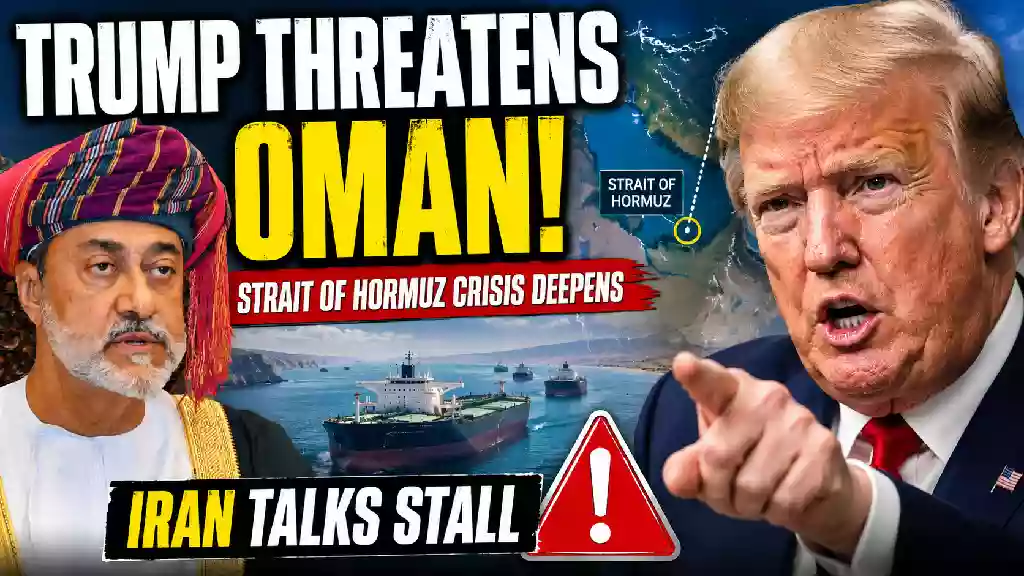
Donald Trump warns Oman as tensions over Iran and the Strait of Hormuz intensify, with stalled negotiations raising concerns about regional security and international shipping.
Trump Warns Oman as Iran Tensions Escalate Over Strait of Hormuz
Trump Threatens Oman as Strait of Hormuz Crisis Deepens Over Iran
President Donald Trump is escalating pressure on Oman as tensions over the Strait of Hormuz deepen, warning the longtime U.S. partner against supporting an arrangement with Iran that Washington believes could limit control over the strategic waterway.
Iran has been working with Oman on a plan to manage shipping through the Strait of Hormuz, while the United States has demanded that the waterway be fully reopened. Trump has objected to parts of the emerging arrangement, particularly any system that could give Iran greater influence over maritime traffic or allow fees to be collected from vessels.
The dispute has created an increasingly difficult position for Oman, which maintains relations with both Washington and Tehran and has historically played a role in regional diplomacy.
Why the Strait of Hormuz Matters
The Strait of Hormuz is one of the world’s most important maritime routes, connecting the Persian Gulf with the Gulf of Oman and the Arabian Sea. Disruptions in the waterway can have consequences far beyond the Middle East because of its importance to international energy shipments.
The latest crisis has already disrupted maritime traffic. Trump has insisted that the Strait of Hormuz is open and operating, while Iranian officials maintain that the waterway remains closed until the United States meets Tehran’s conditions. The conflicting claims have added uncertainty for shipping companies, energy markets and governments monitoring the conflict.
The uncertainty has also affected oil markets. Reuters reported that oil prices rose on Wednesday as concerns about exports through the Strait of Hormuz increased.
Iran and Oman Seek a Way Forward
Iran says it is working with Oman to finalize a joint statement concerning a plan for managing shipping through the strait. The proposal has become a major point of disagreement between Tehran and Washington.
Earlier reporting indicated that Iran was seeking fees on cargoes passing through the waterway, while Oman had discussed a lower fee structure and Washington wanted no fees at all. Questions over which countries would have authority over shipping and inspections have also complicated negotiations.
For Oman, the challenge is balancing its relationship with the United States against its need to maintain communication with Iran.
Trump’s latest warnings have increased the pressure on Muscat to ensure that any agreement does not undermine U.S. demands for unrestricted international shipping.
Trump Says No Iran Talks Are Planned
The dispute over Hormuz comes as broader U.S.-Iran diplomacy appears stalled.
Trump has said that the United States has no talks with Iran underway or scheduled. The statement came as the deadline for a broader negotiating period approached without a major breakthrough.
The source material also says Trump has demanded that Iran abandon its nuclear ambitions before a deal can move forward. Iranian demands have included the removal of the U.S. blockade and compensation for military activity already carried out.
The lack of direct negotiations leaves the Strait of Hormuz as one of the most important areas where Washington and Tehran continue to confront each other.
Analysts Warn of Further Escalation
The possibility of additional military escalation remains a major concern.
Analysts cited in the source material warned that Iran could attempt to increase instability in the region and target vessels in an effort to challenge U.S. policy. One analysis suggested Tehran could seek to demonstrate that the Trump administration’s strategy is failing, particularly as political pressure increases in the United States.
The Trump administration has relied on economic pressure, sanctions and efforts to prevent Iran from rebuilding military capabilities. Any attacks on commercial vessels could further disrupt international shipping and increase pressure on Washington to respond.
Oman Caught Between Washington and Tehran
Oman now finds itself at the center of a diplomatic dispute involving two powerful adversaries.
Retired U.S. Navy Rear Admiral Mark Montgomery described Oman as a longstanding U.S. partner while acknowledging that the country has been seeking a practical solution to restore maritime traffic. He also noted that Oman has itself faced Iranian attacks, adding to the complexity of its position.
For Oman, maintaining communication with Iran could help facilitate a reopening of the waterway. But Washington’s opposition to tolls, fees or arrangements that could give Iran control over shipping creates a major obstacle.
What Happens Next in the Hormuz Crisis?
The future of the Strait of Hormuz will likely remain closely tied to the wider U.S.-Iran confrontation.
A successful agreement between Iran and Oman could potentially help restore maritime traffic, but Washington’s objections could make any deal difficult to implement. At the same time, the absence of planned U.S.-Iran talks raises the risk that disagreements will continue to be handled through economic and military pressure rather than diplomacy.
For international markets, shipping companies and governments across the region, the central question is whether the Strait of Hormuz can return to stable commercial operations without triggering another escalation.
Trump’s pressure on Oman shows just how important the waterway has become in the wider conflict. With Iran maintaining its demands and Washington refusing to accept an arrangement it believes could restrict international navigation, the Strait of Hormuz remains one of the most dangerous flashpoints in the Middle East.
#DonaldTrump #Trump #Iran #Oman #StraitOfHormuz #USIran #IranTensions #MiddleEast #GulfSecurity #HormuzCrisis